About
Chi sono
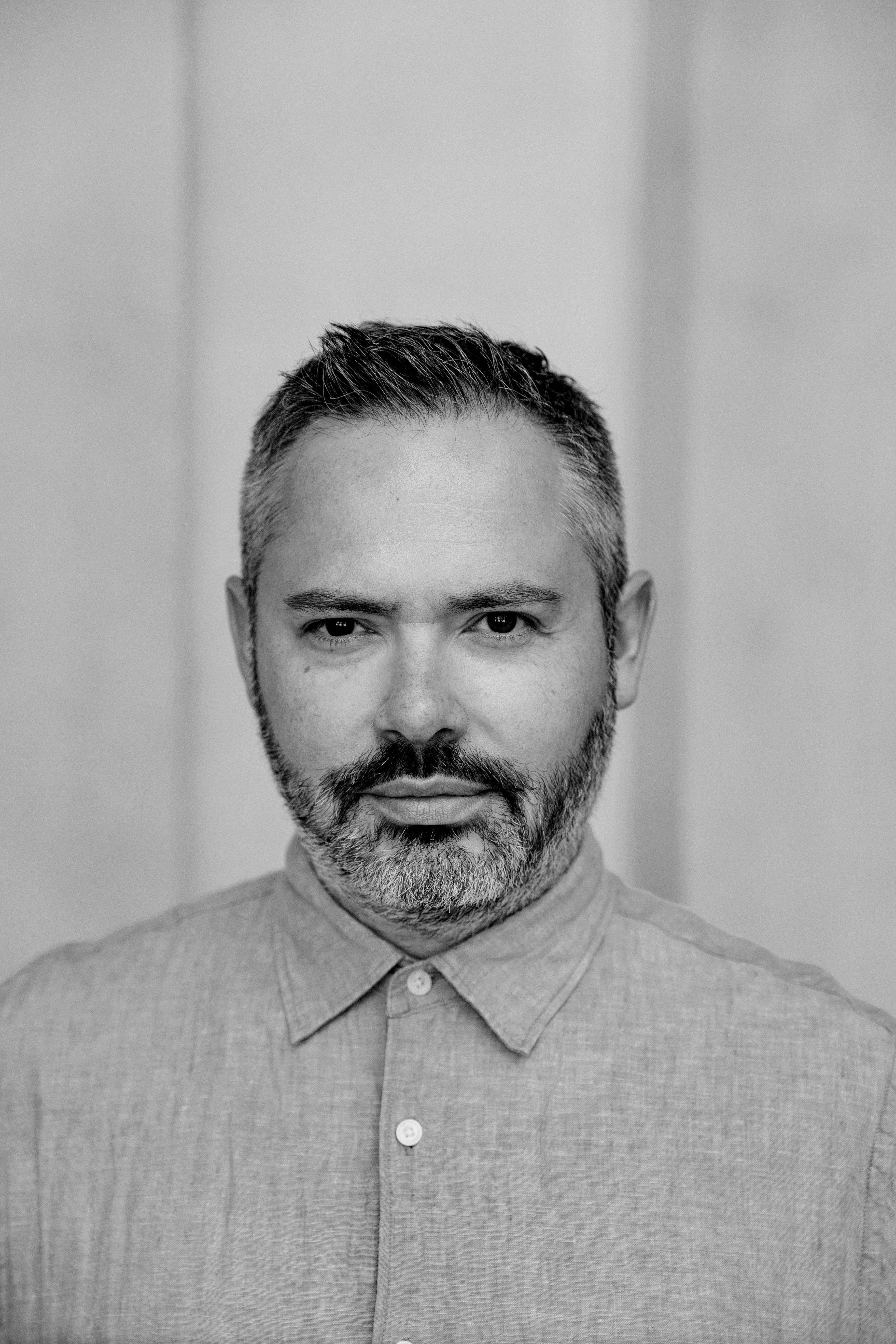
Artem Karida
Creator of Engineering Legitimacy
Creatore di Engineering Legitimacy
Istituto Marangoni
IULM University
POLIMI GSM
Fashionbi
IULM University
POLIMI GSM
Fashionbi
6,000+
Students
Studenti
108
Countries
Paesi
11
Years teaching
Anni insegnamento
20+
Years in strategy
Anni in strategia
Twenty years in strategy — consulting, industrial restructuring, and business education — taught me one thing: legitimacy is an architecture.
Vent'anni in strategia — consulenza, ristrutturazione industriale e formazione manageriale — mi hanno insegnato una cosa sola: la legittimità è un'architettura.
The word 'engineering' is exact. It comes from years spent building systems where the tolerance for vagueness was zero.
La parola 'engineering' è precisa. Viene da anni trascorsi a costruire sistemi in cui la tolleranza per il vago era zero.
Engineering Legitimacy grew from a repeated problem observed across strategy work, organisational restructuring, and over a decade of teaching: strong entities often fail not because their offer is weak, but because the structure that would make the offer believable has not been built.
Engineering Legitimacy è nata da un problema ripetuto osservato nel lavoro strategico, nella ristrutturazione organizzativa e in oltre un decennio di insegnamento: le entità solide spesso falliscono non perché la loro offerta è debole, ma perché la struttura che renderebbe l'offerta credibile non è stata costruita.
The methodology applies to any system that depends on being believed — brands, organisations, institutions, cities, people. It crystallised into its current form in 2024.
La metodologia si applica a qualsiasi sistema che dipende dall'essere creduto — brand, organizzazioni, istituzioni, città, persone. Ha preso la sua forma attuale nel 2024.